A pain that returns every morning, fatigue that rest does not correct, a new shortness of breath with exertion: illnesses, whether temporary or chronic, often start with discreet signals. Knowing how to spot them early, understanding treatment options, and adapting habits can significantly change daily quality of life.
Warning signals: distinguishing a trivial symptom from a sign to watch
Have you ever noticed that the same symptom can appear in very different contexts? A one-time headache after a bad night has nothing to do with daily headaches that have lasted for several weeks.
The difference lies in three simple criteria: duration, intensity, and repetition. A symptom that persists beyond a few weeks deserves medical advice, even if it remains bearable. The body adapts to pain, which sometimes gives the impression that everything is better while the cause progresses.
Some signals require prompt attention, regardless of their intensity:
- Unintentional weight loss over a few months, without changes in diet or physical activity, may reveal a metabolic disorder or an underlying pathology.
- Established sleep disturbances (repeated nighttime awakenings, non-restorative sleep) disrupt recovery and worsen most existing chronic illnesses.
- A new shortness of breath during usual efforts, even moderate ones, sometimes signals the onset of heart or respiratory issues.
The useful reflex is not to seek a diagnosis online, but to accurately note what you feel, when, and under what circumstances. This factual record helps the doctor guide their examination much faster than a vague description during the consultation.
To learn more, you can find information on diseases via Aux Portes de la Santé that detail common pathologies and their manifestations.
Treatments for chronic diseases: what has changed with remote monitoring
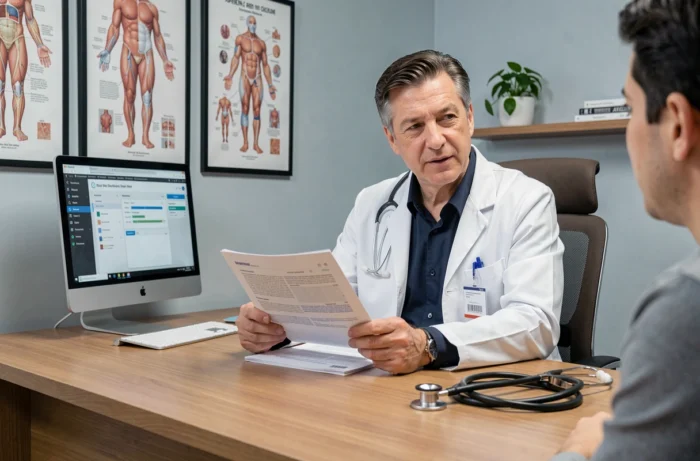
The treatment of a chronic disease is no longer limited to a prescription renewed every three months. Since July 1, 2023, medical remote monitoring is reimbursed under the common law of health insurance. In practice, this means that a patient can transmit their health data remotely using a digital device, and a care team continuously monitors this data.
Several pathologies are already covered by this system: heart failure, respiratory failure, kidney failure, diabetes, certain heart rhythm disorders related to implantable devices, and oncology care.
The operation relies on two distinct packages. An operator package compensates the care team that analyzes the data and adjusts the monitoring. A technical package covers the digital medical device, once it has been evaluated by the HAS and listed on the official list.
This model changes the relationship to treatment. Instead of waiting for the next consultation to report a worsening, the patient transmits their measurements in real-time and receives an alert if a threshold is crossed. For people with heart failure, for example, rapid weight gain (a sign of water retention) can trigger an adjustment of treatment before the situation requires hospitalization.
A recent example illustrates the extension of the system: AXOMOVE THERAPY, a remote monitoring tool dedicated to chronic low back pain after hospital rehabilitation, has been registered as a covered device. This type of tool shows that remote monitoring now extends beyond just cardiovascular or metabolic diseases.
Adapting daily life: sleep, physical activity, and diet
Medication treatments address the disease. Daily habits determine how one lives with it. This distinction is fundamental, especially for patients with chronic conditions who must cope with their symptoms over the years.
Sleep and illness: a cycle to break
Sleep is the first lever to act on, and yet it is often the one that patients neglect the most. Fragmented sleep amplifies the perception of pain, reduces the effectiveness of the immune system, and deteriorates mood.
Simple measures produce measurable results: maintaining regular bedtime hours, limiting screens an hour before sleep, keeping the room cool. For patients on treatment, checking with the doctor if certain medications disrupt sleep can sometimes allow for a change in timing and improve the quality of nights.
Adapted physical activity: moving without worsening
Adapted physical activity does not mean running a marathon. It refers to effort calibrated according to the pathology, fitness level, and daily limits. Even a short daily walk reduces chronic fatigue in the majority of patients.
The HAS, in its recommendations on fibromyalgia, places movement at the forefront of the care plan, even before medication treatments. This principle applies to many chronic diseases: immobility worsens symptoms, while regular and progressive activity alleviates them.

Diet: no miracle diet, just consistent choices
No food cures a chronic disease. However, an unbalanced diet burdens the body’s work and can interfere with certain treatments. The most useful approach is to discuss with your doctor or a dietitian the possible interactions between your treatment and your diet, rather than following a diet found on a forum.
Talking about your illness: an act of health, not weakness
Living with a chronic illness isolates. Fatigue leads to refusing outings. Invisible symptoms (diffuse pain, cognitive disturbances) are difficult to explain to those around you.
Naming your illness to your loved ones reduces the mental burden associated with the constant masking of symptoms. Patient associations play a concrete role here: they provide a space where one does not need to justify why they cancel a plan or why they are tired first thing in the morning.
Psychological support is an integral part of treatment for many pathologies. Anxiety and mood disorders are not parallel weaknesses to the illness: they are often a direct consequence, and treating them improves adherence to care and overall quality of life.
Spotting symptoms early, using available remote monitoring tools, adjusting sleep and physical activity, daring to talk about it: these four axes do not replace medical treatment, but they transform the way one navigates the illness daily.